
Understanding Restoring Furniture Prices UK: A Comprehensive Guide
When it comes to breathing new life into your cherished furniture, understanding the costs involved is essential. Restoring furniture is more than just a simple fix; it’s an art that requires skill, patience, and quality materials. If you’ve ever wondered about the restoring furniture prices UK, you’re in the right place. I’m here to walk you through the factors that influence these costs, what you can expect to pay, and how to make the most of your investment.
Restoring furniture is a wonderful way to preserve memories and add character to your home. But how do you know if the price you’re quoted is fair? Let’s explore this together.
What Influences Restoring Furniture Prices UK?
Restoring furniture prices in the UK can vary widely, and several key factors play a role in determining the final cost. Understanding these will help you make informed decisions and avoid surprises.
1. Type and Condition of the Furniture
The kind of furniture you want to restore makes a big difference. Antique pieces or bespoke items often require more delicate and time-consuming work. For example, a Victorian-era chair with intricate carvings will cost more to restore than a simple modern wooden table.
The condition is equally important. If your furniture has deep scratches, water damage, or structural issues, expect the price to rise. Restoration might involve sanding, repairing joints, replacing missing parts, or even reupholstering.
2. Materials and Techniques Used
The choice of materials affects the price. High-quality wood stains, paints, or finishes cost more but offer better durability and appearance. Similarly, traditional restoration techniques, such as French polishing, require expert craftsmanship and time, which adds to the cost.
3. Labour and Expertise
Skilled artisans charge more for their expertise. When you hire a professional with years of experience, you’re paying for precision and quality. This is especially true for bespoke furniture restoration, where attention to detail is paramount.
4. Location and Accessibility
Prices can vary depending on where you live in the UK. London, for example, tends to have higher labour costs compared to other regions. Additionally, if the furniture is large or difficult to transport, this might add to the overall expense.
5. Additional Services
Sometimes, restoration includes extra services like reupholstery, custom finishes, or protective coatings. These add-ons enhance the final look but also increase the price.
Understanding these factors helps you set realistic expectations and choose the right restoration service for your needs.
Breaking Down Restoring Furniture Prices UK
Let’s get into the specifics of what you might expect to pay when restoring furniture in the UK. Keep in mind these are general estimates and can vary based on the factors we discussed.
Basic Restoration
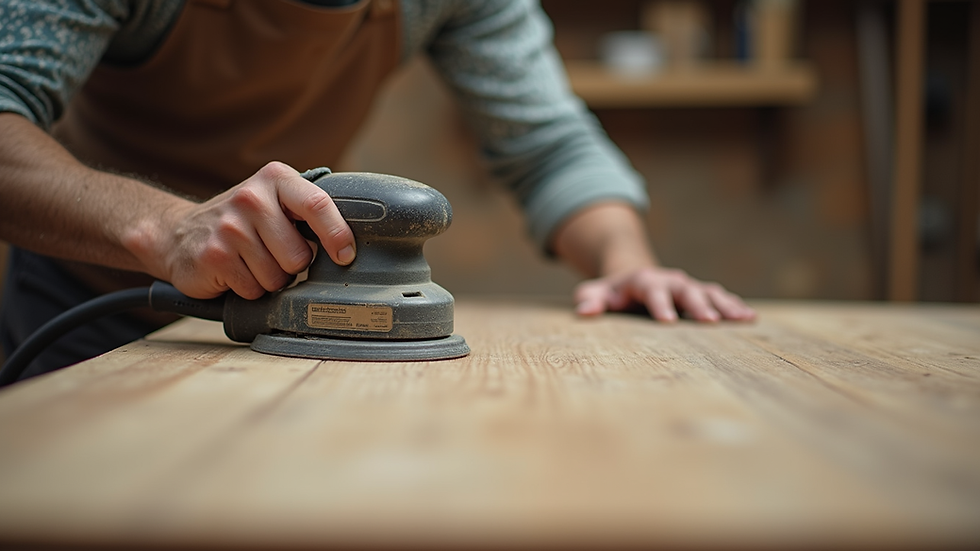
Sanding and refinishing: £50 - £150 per piece
Minor repairs (scratches, dents): £30 - £100
Cleaning and polishing: £20 - £60
This level of restoration is suitable for furniture in good condition that just needs a refresh.
Moderate Restoration
Structural repairs (loose joints, broken parts): £100 - £300
Reupholstery (fabric only): £150 - £400
Replacing hardware (handles, knobs): £20 - £80
Moderate restoration is for pieces with some damage or wear that requires more attention.
Extensive Restoration
Full reupholstery (including padding): £300 - £800+
Antique restoration with specialist techniques: £500 - £1500+
Custom finishes and bespoke work: Prices vary widely
Extensive restoration is for valuable or heavily damaged furniture needing expert care.
Tips for Budgeting
Always get a detailed quote before work begins.
Ask about the materials and techniques to be used.
Consider the long-term value of restoration versus replacement.
Look for specialists who offer guarantees or warranties.
By understanding these price ranges, you can better plan your restoration project and avoid unexpected costs.
How much to repolish a table?
Repolishing a table is a common restoration task that can dramatically improve its appearance. But how much should you expect to pay?
Factors Affecting Repolishing Costs
Size of the table: Larger tables require more materials and time.
Type of wood: Some woods need special finishes or treatments.
Condition: If the surface has deep scratches or stains, more prep work is needed.
Finish type: French polish, lacquer, or varnish all have different costs.
Typical Price Range
Small to medium-sized tables: £80 - £200
Large dining tables: £200 - £400
What’s Included?
Stripping old finish (if necessary)
Sanding the surface smooth
Applying new polish or finish
Buffing and drying
DIY vs Professional
While repolishing can be a DIY project, professional services ensure a flawless finish and protect your table for years to come. If your table is a valuable or sentimental piece, investing in a professional repolish is often worth it.

How to Choose the Right Furniture Restoration Service
Choosing the right professional for your furniture restoration is crucial. Here are some tips to help you find the best fit:
1. Check Experience and Specialisation
Look for restorers who specialise in the type of furniture you have. For example, if you own antiques, find someone with expertise in antique restoration.
2. Read Reviews and Ask for References
Customer feedback can reveal a lot about quality and reliability. Don’t hesitate to ask for references or examples of previous work.
3. Get Multiple Quotes
Comparing quotes helps you understand the market rate and avoid overpaying. Make sure each quote includes a detailed breakdown.
4. Discuss Materials and Techniques
Ask about the materials they use and the restoration methods. This ensures your furniture will be treated with care and respect.
5. Consider Turnaround Time
Some restorations take longer than others. Make sure the timeline fits your needs.
6. Warranty and Aftercare
A good restorer will offer some form of warranty or aftercare advice to keep your furniture looking its best.
By following these steps, you can feel confident that your furniture is in capable hands.
Maximising Value: Tips for Affordable and Effective Restoration
Restoring furniture doesn’t have to break the bank. Here are some practical tips to get the best value:
Prioritise repairs: Focus on structural issues first before cosmetic fixes.
Choose quality over quantity: It’s better to restore one piece well than several poorly.
Consider partial restoration: Sometimes, just repolishing or reupholstering can refresh a piece without full restoration.
Maintain your furniture: Regular cleaning and polishing extend the life of your restoration.
Ask about eco-friendly options: Some restorers use sustainable materials that are better for your home and the environment.
Remember, restoration is an investment in your home’s character and comfort. With the right approach, you can enjoy beautiful furniture for years to come.
Bringing Your Vision to Life with Expert Craftsmanship
Restoring furniture is a journey that combines history, artistry, and personal style. Whether you’re reviving a family heirloom or updating a favourite piece, understanding the costs and process empowers you to make the best choices.
If you’re curious about the furniture restoration cost uk, remember that quality and expertise are worth every penny. Your furniture deserves the best care, and with the right professionals, you’ll see your vision come to life beautifully.
Investing in restoration is more than just fixing furniture - it’s about preserving memories and enhancing your living space with pieces that tell your story. So why wait? Start exploring your options today and enjoy the timeless charm of expertly restored furniture.


Comments